 Miple Clinic
Wegovy and Mounjaro vs herbal diet medicine — the difference between 'suppressing' and 'activating'
Wegovy and Mounjaro are medicines that 'suppress' appetite, while Miple's herbal diet medicine 'activates' metabolism. Even with the same weight loss, what happens inside the body is the opposite. That difference shapes muscle, energy, and your weight after you stop the medicine.
How do Wegovy and Mounjaro work?
GLP-1 analogs are drugs designed to mimic 'incretin' hormones released from the small intestine when we eat. They act on the hypothalamus in the brain to create a feeling of fullness, and deliberately slow the speed at which food leaves the stomach to prolong that fullness. Mounjaro acts on two hormones, GLP-1 and GIP, at the same time, making its effect stronger.
In other words, the principle is to trick the body into feeling 'full from a meal just eaten' to suppress appetite and reduce how much you eat. It is a powerful medicine, but the limits that come with its principle are clear.
- Digestive discomfort — nausea, vomiting, diarrhea, and constipation are common because gastric motility is slowed.
- Muscle loss — there are reports that a considerable amount of muscle is lost along with fat, and when muscle decreases, basal metabolic rate falls too.
- Weight regain after stopping — in several large clinical trials, a substantial part of the weight lost came back after the medicine was stopped. It is a concept of 'management' that holds only while you continue, like blood pressure medicine.
- Side effects that need caution — drug information lists acute pancreatitis, reports of gastroparesis and bowel obstruction, and an FDA warning about medullary thyroid cancer (not to be used if you or your family have a history), among others.
What is different about Miple's herbal diet medicine
1. 'Activation,' not 'suppression'
Herbal diet medicine wakes up the mitochondria, the body's power plants, and raises the metabolic rate itself. Ephedra (mahuang) and wild ginseng promote heat production and energy metabolism, so the energy you burn even at rest increases. Rather than forcing you to eat less, it changes your body into one that burns incoming energy well.
2. It regulates the 'cause' of appetite
Much of the hard-to-resist appetite is 'false hunger,' such as liver qi stagnation from stress or stomach heat. Instead of numbing the brain, herbal medicine addresses these causes and helps restore a normal sense of fullness, so you feel satisfied eating a moderate amount.
3. A structure that 'replenishes while slimming'
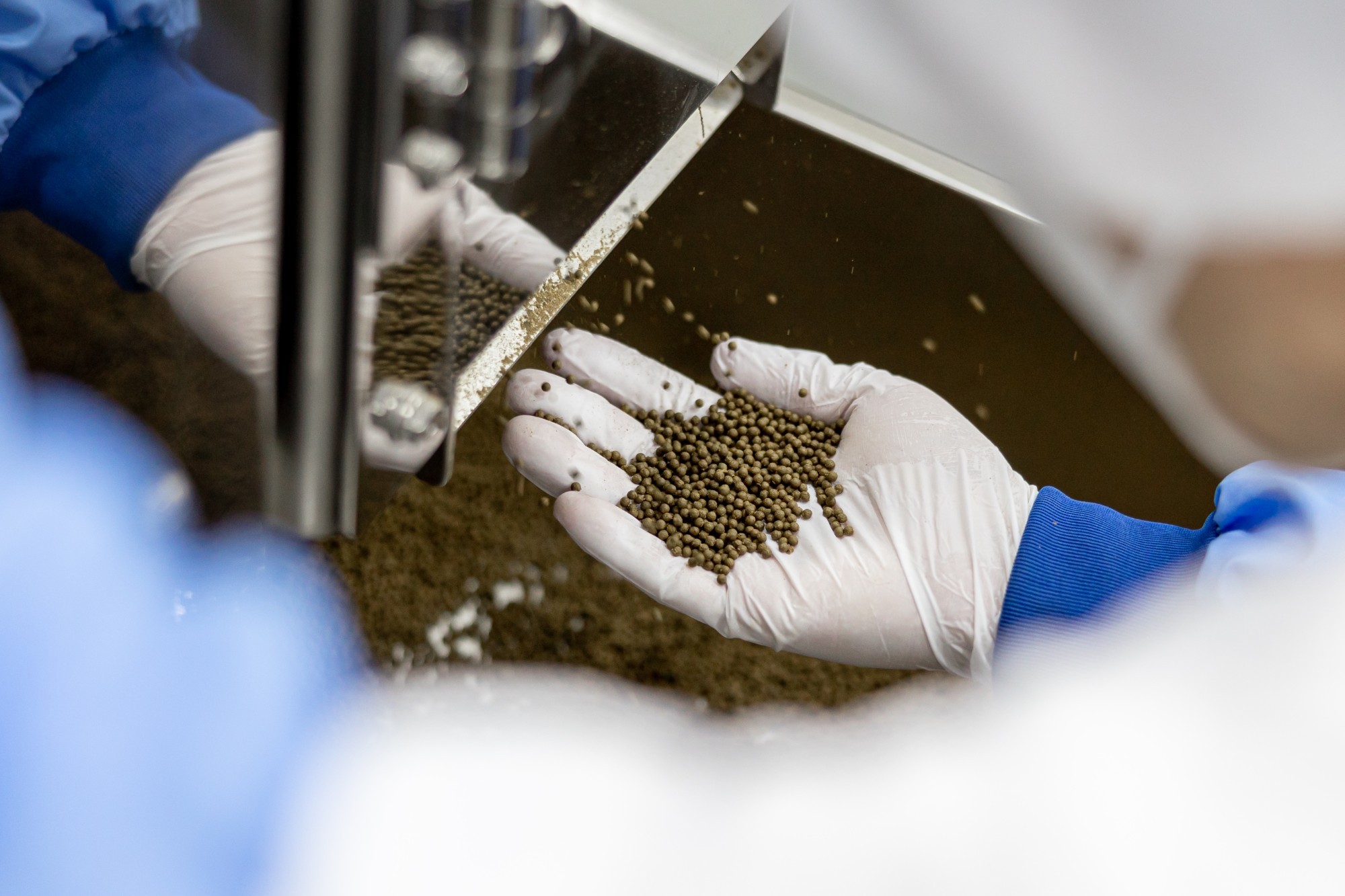
With suppression-type weight loss, energy and muscle tend to drop together. Miple's patented prescription GONG BI JIN YAK adds Gongjindan (deer antler, cornus fruit, angelica root, musk) to the diet herb group to replenish the qi, blood, and stamina that drop during weight loss. To protect the components of musk and deer antler, which are sensitive to heat, it is made by vacuum low-temperature drying. (Patent No. 10-2865645)
4. A maintenance stage designed for after you stop
After weight loss, the body shifts into a 'power-saving mode' that lowers metabolism, hunger hormones increase, and satiety hormones decrease. As you approach your goal, Miple uses a maintenance-stage prescription at a lower stage to keep waking up the fading metabolism, and helps with a soft landing for 3 to 6 months or more until the new weight settles in.
Comparison at a glance
| Wegovy · Mounjaro | Miple herbal diet medicine | |
|---|---|---|
| Concept | Appetite suppression | Metabolic activation |
| Principle | Mimics satiety hormones, delays gastric emptying | Activates mitochondria and qi-blood circulation, clears dampness-phlegm |
| Muscle and energy | Muscle loss reported | Qi and blood replenished with Gongjindan |
| After stopping | Many studies show weight regain | Soft landing with maintenance-stage prescription |
| Dosing | Weekly injection | Twice a day, 1 stick pack |
If you are on injections, or have stopped
If you are currently on injection therapy, talk to your prescribing doctor before adding herbal medicine. If you have already stopped, the first step is to re-check your muscle mass with a body composition test. Based on the results, Miple Korean Medicine Clinic designs stage-by-stage prescriptions that wake up your metabolism, together with maintenance care. For what to prepare before a consultation, see If you are on obesity injection therapy or have stopped it.
This article is based on Chapter 4 of Dr. Ko Chang-hyun's book 'The Secret to Ending Diets with Korean Medicine', 'GLP-1 Analogs: Innovation or a Dangerous Shortcut?'
Guides by condition: Diabetes · Super-obesity

Miple Korean Medicine Clinic · Korean medicine doctor · 19 years of clinical experience · Author of 'The Secret to Ending Diets with Korean Medicine' · Inventor of the GONG BI JIN YAK patent (No. 10-2865645)
Curious about a prescription that fits your body?
After a body composition test, the head doctor consults with you in person.
This article is general health information and does not replace individual diagnosis or prescription. The effects and side effects of herbal medicine vary from person to person.