 Miple Clinic
Polycystic ovary syndrome: why dieting is hard, and what can help
With polycystic ovary syndrome (PCOS), weight does not come off easily even with the same effort. Insulin resistance, difficulty controlling appetite from hormonal imbalance, and a lower basal metabolic rate all act at once. That is why the way you lose weight needs to be different too.
What is polycystic ovary syndrome
The most common endocrine condition in women. In women of childbearing age it can appear as irregular periods, absent periods, abnormal uterine bleeding, and, from excess male hormones, excess hair growth and acne. Insulin resistance is high, so obesity often accompanies it, and the risks of diabetes, endometrial hyperplasia, and endometrial cancer also rise.
Hormone therapy is tried first to correct the hormonal imbalance, but fundamentally improving lifestyle habits and losing weight matter more. When weight drops, insulin resistance improves, which also has a positive effect on ovulation and the menstrual cycle.
Why is it hard to lose weight?
- Insulin resistance — a body that easily stores the energy it takes in as fat
- Hormonal imbalance and difficulty controlling appetite
- A lower basal metabolic rate
Along with lifestyle correction, metformin, a diabetes medicine, is sometimes prescribed, but its weight loss effect tends to be small.
About the paper: herbal medicine vs anti-diabetic drugs
This is a retrospective chart review analyzing weight changes after herbal medicine was prescribed to overweight and obese women with polycystic ovary syndrome. When it compared the weight loss results of herbal medicine with metformin, exenatide, and empagliflozin, which are used for diabetes, the herbal medicine group showed a greater weight loss effect over the same period.
Miple's approach
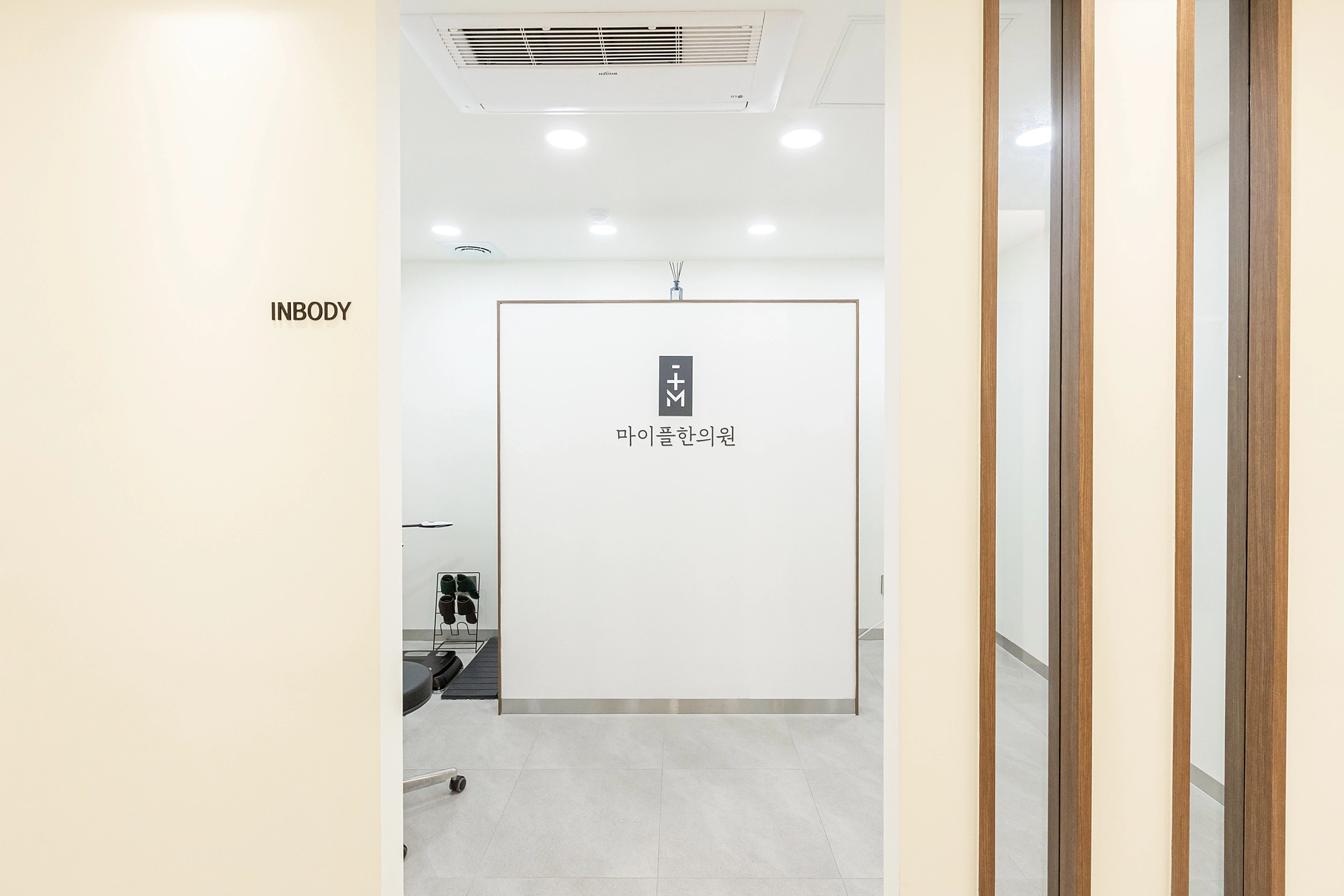
For obesity that comes with polycystic ovary syndrome, a tailored herbal prescription can aim at weight loss, restoring hormonal balance, and preventing metabolic conditions together. Miple Korean Medicine Clinic first checks your metabolic state with a body composition test and the doctor's consultation before prescribing, and checks in every month to adjust the stage. The director's book 'The Secret to Ending Diets with Korean Medicine' also includes the story of a woman in her 30s who became a mother despite polycystic ovary syndrome.
Reference: Park, Min-jeong, et al. "Gamitaeeumjowee-tang for Weight Loss in Overweight and Obese Women with Polycystic Ovary Syndrome: A Retrospective Chart Review." Journal of Korean Medicine for Obesity Research 22.2 (2022): 136-146.
For a short overview of Miple's diet approach, see the polycystic ovary syndrome guide.
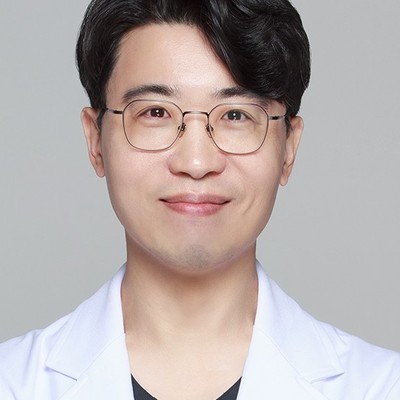
Miple Korean Medicine Clinic · Korean medicine doctor · 19 years of clinical experience · Author of 'The Secret to Ending Diets with Korean Medicine' · Inventor of the GONG BI JIN YAK patent (No. 10-2865645)
Curious about a prescription that fits your body?
After a body composition test, the head doctor consults with you in person.
This article is general health information and does not replace individual diagnosis or prescription. The effects and side effects of herbal medicine vary from person to person.